iGaming
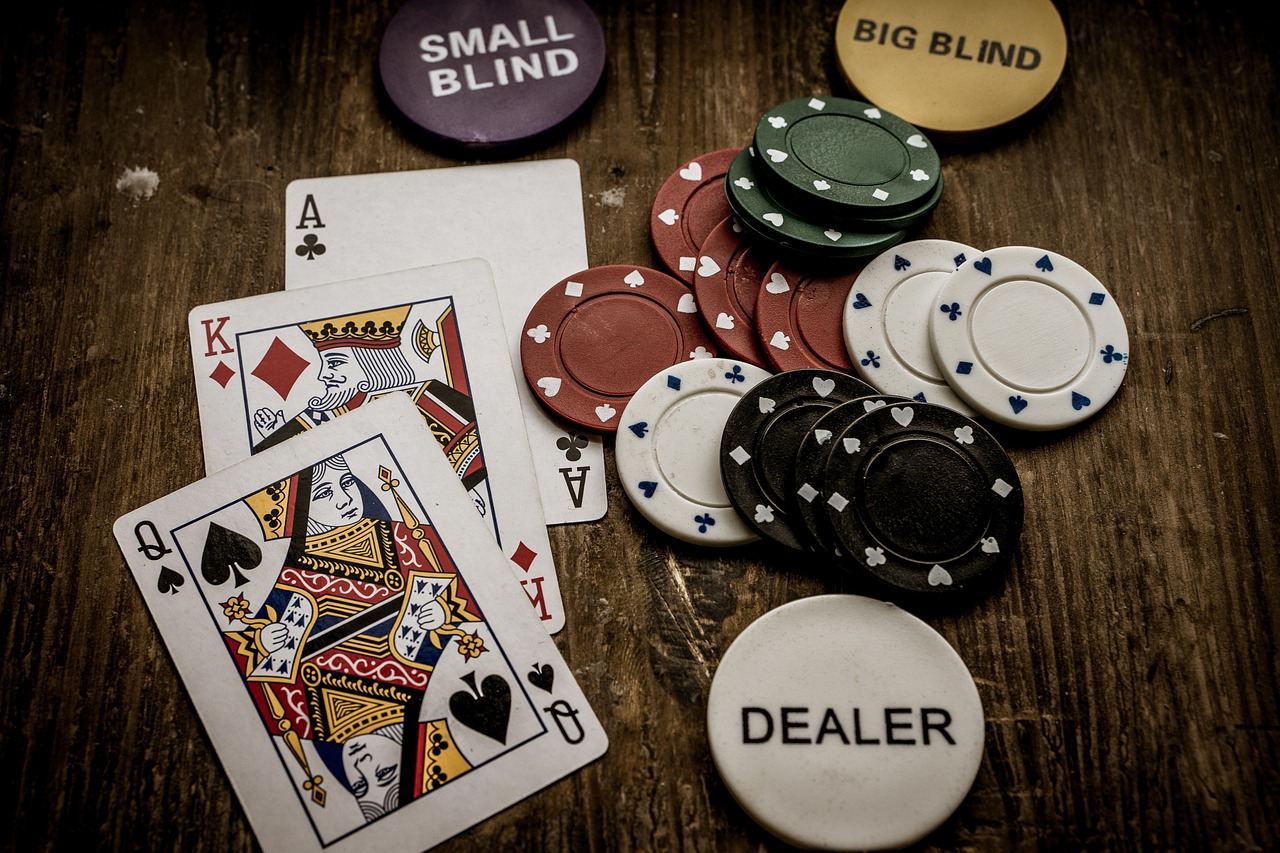
Inside the iGaming Boom: Slots, Poker & Smarter Bets
The first time you sit at a no-limit hold'em table with $2/$5 blinds and a stack of $600, everything you read in a book dissolves. The math is still there, sure, but the pressure is new. That gap between theory and reality is where most iGaming advice falls apart — whether we're talking poker, slots, or sports betting. This article is about closing that gap. No hype, no "guaranteed system" nonsense. Just the stuff that actually separates players who last from those who reload twice and quit by Friday.
Why iGaming Isn't One Thing — And Why That Matters
People lump casino games, poker, and sports betting under one banner, but they are structurally different beasts. That distinction should shape how you play each one.
- Slots are pure chance. RNG-driven, with a built-in house edge (usually 2% to 10% depending on the title). Skill has zero impact on outcomes.
- Poker is a game of incomplete information against other humans (or bots, unfortunately). A skilled player can beat a weaker field long-term because money flows between players, not just to the house.
- Sports betting sits in between: you're playing against the bookmaker's margin (the vig), but line-shopping and information edges can make it beatable.
That means "beating the casino" is a doomed framing for slots. The realistic goal there is entertainment value per dollar. For poker and betting, it's about exploiting edges. Mixing up those mental models is the fastest way to lose money and confidence at the same time.
Slots: Reading the Fine Print Without Getting Bored
Slot volatility gets thrown around like everyone understands it. Most don't. Here's the useful version: volatility (or variance) describes how a machine pays out. Low-volatility slots like Starburst drip frequent small wins. High-volatility monsters like San Quentin or Money Train can go hundreds of spins without a hit — then dump a 2,000x bonus.
Two numbers actually matter before you spin:
- RTP (Return to Player): A 96% slot returns $96 for every $100 wagered over millions of spins. The remaining 4% is the house's cut. Anything under 94% is a red flag.
- Max win & hit frequency: A 5,000x max with a hit frequency of 22% plays very differently from a 50,000x max with 8%.
A concrete tip: if you're on a $200 bankroll and the minimum bet is $1, avoid high-volatility titles. Your expected spins before busting might be under 80. Stick to lower-volatility games or bonus-buy features only with money you're fine parting with. And yes — bonus buys are convenient but often carry a higher effective cost than grinding spins. Check the math.
Poker: The Only iGaming Vertical You Can Consistently Beat
Online poker has changed since the boom years. The field is tougher, HUDs are banned on some sites, and solvers have flattened edges at low stakes. But the fundamentals don't budge: slot mahjong is a solid starting point for anyone new to this.
- Position wins pots. Acting last gives you information every street. A weak hand on the button beats a medium hand in the big blind.
- Bet sizing tells a story. Pot-sized bets on the river are polarized — nuts or bluff. Half-pot is usually thinner value. Learn to read the pattern, not just your own cards.
- Bankroll management isn't optional. The standard for cash games is 20 buy-ins for your stake. If you're playing $1/$2 with $200, you've already lost before you sat down.
One overlooked edge: table selection. Sitting with three regs and one fish is worse than sitting with five unknowns. A single soft seat can double your win rate. Most recreational players never check the lobby filters before joining.
Sports Betting: Where Discipline Beats Predictions
Nobody knows the final score. That's the point. The profitable bettors I've spoken with aren't the ones who nail parlay predictions — they're the ones who grind small edges and bet the same unit size every time.
The vig is the whole game. A standard -110 line means you need to win 52.4% of bets just to break even. If you're getting -105 instead of -110 at a different book, that's worth more than any "expert pick" service you'll ever subscribe to. Line shopping adds roughly 2-3% ROI over a full season — quietly, without drama.
Practical rules for keeping your head on:
- Bet 1-2% of your bankroll per play. Never "chase" after a losing Sunday.
- Track every bet in a spreadsheet. Ego lies; the ledger doesn't.
- Avoid parlays unless they're part of a hedged strategy. Correlation plays rarely pay what they seem.
Bonuses, Wagering Requirements, and the Trap Nobody Reads
The welcome bonus is iGaming's shiny front door. A "100% up to $500" offer sounds like free money. Then you read the fine print: 40x wagering on the bonus, 30-day expiry, slots contribute 100% but blackjack only 10%, and max bet is $5 per spin.
Run the math. A $500 bonus at 40x wagering requires $20,000 in total bets. Even at a generous 96% RTP slot, you're expected to lose $800 before clearing it. That's not a bonus — that's a marketing mechanic.
Bonuses can still be useful. Just apply a filter:
- Is the wagering under 30x?
- Is the expiry at least 14 days?
- Is the game contribution list broad (not just slots)?
- Is the max cashout reasonable, not a $100 cap?
If two or more answers are no, skip it. There are enough casinos fighting for your attention that you never need to accept bad terms.
The Long Game: Bankroll, Breaks, and Honesty
Real players don't win every session. The professionals I've watched online lose weeks in a row — and then book a winning month because their process held. The amateurs win twice and torch the profit in a revenge-playing Monday.
Set a bankroll that has zero connection to rent, groceries, or anything that matters. Separate it. Treat it like a hobby expense, not a side income. And when you're on a tilt streak (you'll know the feeling — fast clicks, bigger bets, silent anger), take 48 hours off. The games will still be there.
iGaming rewards patience far more than it rewards cleverness. The cleverest bet in the room is often the one you don't place.