Care
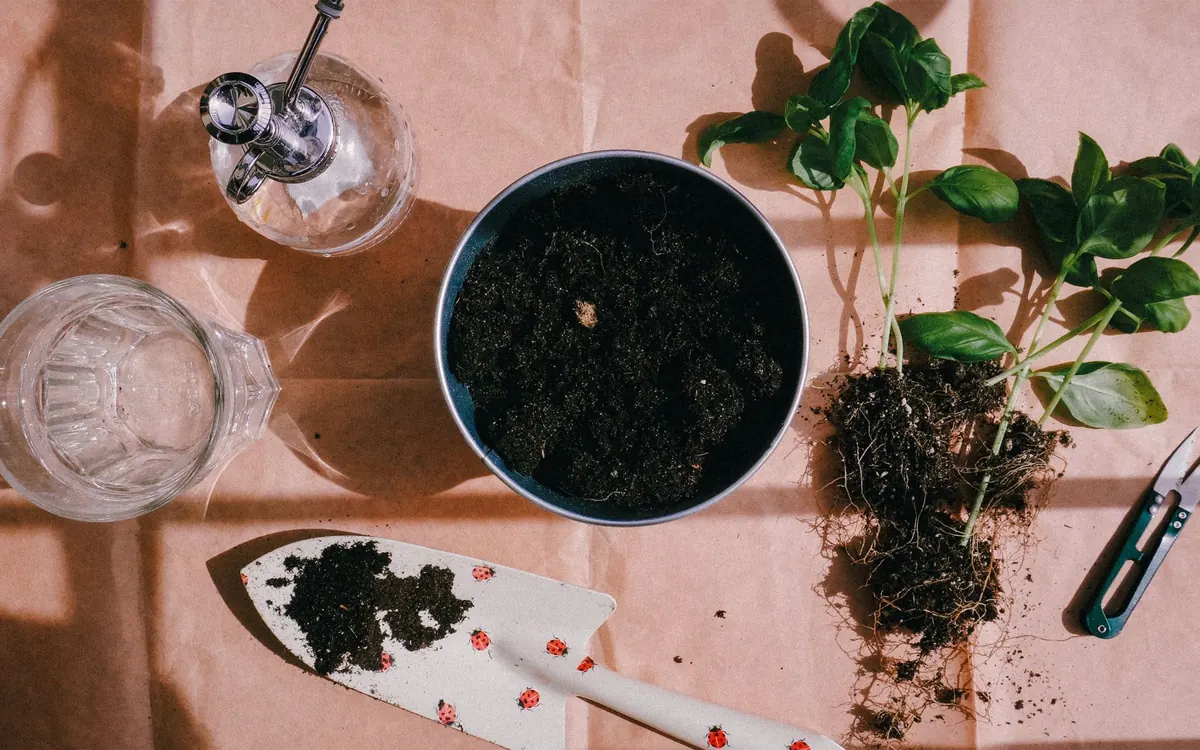
Overwintering Basil in the UK: Can You Keep It Alive Until Spring?
Overwintering Basil in the UK: Can You Keep It Alive Until Spring?
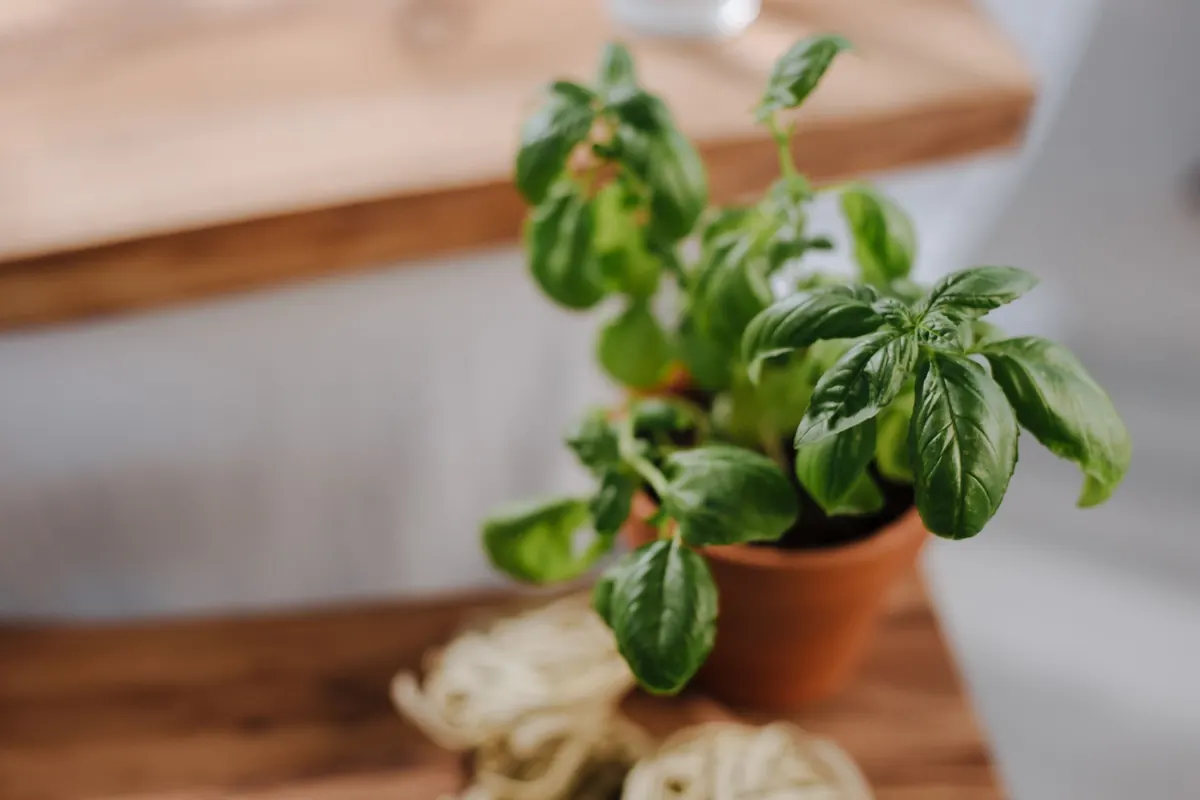
Basil has a secret: in the right climate it is a perennial. We grow it as an annual in the UK because our winters are cold, grey and damp, and it is none of those things. But "usually grown as an annual" is not the same as "impossible to keep". With a bright spot, steady warmth and a lighter hand with the watering can, a basil plant can be carried through to spring. The leaves get smaller and the growth slows to a crawl, but the plant lives.
It is worth being honest about the odds before you invest a winter in it.
An Honest Look at the Odds
Basil (Ocimum basilicum) grows best at around 18–25°C in strong light, in compost that drains freely. Now picture a British January: eight hours of weak, often overcast daylight, and a windowsill that may drop below 10°C overnight. Plants rarely die in one dramatic moment. They decline — leaves pale, stems stretch, lower leaves yellow and drop — and then something finishes the job: a cold night, a week of soggy compost, or a patch of grey mould at the base of the stem.
Realistically, a supermarket pot on a kitchen windowsill will struggle and usually fades within a few weeks. A healthy plant in a bright, warm room with a bit of extra light has a decent chance of reaching March. In a heated greenhouse or conservatory holding 10–12°C or more, basil ticks over for months, though growth stays slow and the flavour is milder than summer leaves.
Light Is the Deciding Factor
If you fix one thing, fix this. Winter light is the difference between a plant that merely survives and one still worth eating. Move pots to the brightest windowsill you have — south-facing if possible — and keep the glass clean, because a grimy window can cut light noticeably. Turn the pot a quarter turn every few days so the plant doesn't lean into the pane.
For a serious attempt, use a small LED grow light for 12–14 hours a day, set 15–20cm above the top leaves. A cheap clip-on unit is enough for one or two pots. Ordinary room lighting won't do much, though a desk lamp kept close will help a little. Avoid dark corners, north-facing sills and anywhere a curtain will fall across the plant at dusk.
Keep the Roots Warm, Not Just the Leaves
Cold compost harms basil more than cold air. A plant can cope with a chilly room if its roots stay near 15°C, but wet, cold soil in a draughty spot is a recipe for rot. Keep pots away from radiators, which dry out both air and compost, and away from single-glazed windows where night temperatures plunge.
Two small fixes help. Lift pots a few centimetres off the sill at night with a piece of card or foam. And if you have a heat mat or an unheated propagator base, stand pots on it at the lowest setting; gentle bottom heat is far more useful in winter than warm air. Aim to stay above 12°C, and never let the plant near frost.
Watering and Air Movement
Overwatering kills more indoor basil than cold does. In low light a plant uses very little water: compost that dried out in two days in July may take a fortnight in January. Treat every watering as a decision rather than a habit.
- Check first: push a finger into the compost, or lift the pot. If it feels heavy, wait.
- Let the top centimetre or two dry out between waterings.
- Water in the morning, using tepid water rather than cold from the tap.
- Empty saucers half an hour after watering; never let roots stand in water.
- Feed sparingly — a weak liquid feed once a month at most. Too much nitrogen in poor light produces soft, floppy growth.
- Remove yellowing leaves promptly, and don't let fallen leaves sit on the compost.
Air matters too. Still, humid air in a cool room invites grey mould, which shows as a fuzzy grey patch on stems and leaves. Don't mist the foliage. Instead, ventilate the room, space pots apart, and water the compost rather than the leaves. A small fan on its lowest setting, run for an hour a day, can be enough to keep air moving without chilling the plant.
Which Basil Is Worth Overwintering?
Not all basil is equal. A supermarket pot is often densely sown, with many seedlings competing for light and nutrients. It is cheap, but weak. If you want to overwinter a plant, start with a named variety or one you grew yourself. Sweet Genovese is the classic culinary basil, but it can be fussy in winter. Greek bush basil, Thai basil and African blue basil often overwinter better because they are more robust and slower to exhaust themselves.
If your plant has flowered, pinch out the flower spikes. Seed production signals the end of the plant's life; removing buds redirects energy into leaves. Do this even in winter if you see buds forming.
Take Cuttings as Insurance
Even with perfect care, a single plant can fail. Cuttings are easier than many people think and give you several chances. In late summer or early autumn, cut 8–10cm stems just below a leaf node. Strip the lower leaves, dip the end in rooting hormone if you have it, and place in a small pot of moist perlite or free-draining compost. Cover with a clear plastic bag or put in a propagator and keep at 18–20°C in bright, indirect light. Roots usually appear in two to three weeks. Pot them up and treat them like the parent plant. A windowsill of rooted cuttings is far more likely to yield spring basil than one struggling supermarket pot.
You can also root cuttings in a glass of water on a bright windowsill, changing the water every few days. It works, though roots are more fragile when planted. Move them to compost as soon as roots are 2–3cm long.
Common Winter Problems and Fixes
Most winter basil problems are caused by the environment, not disease. Here are the usual suspects.
- Yellow lower leaves: often overwatering or cold roots. Let compost dry, move to a warmer spot, and remove affected leaves.
- Pale, stretched growth: not enough light. Move closer to a window or add a grow light.
- Grey fuzzy mould: grey mould (Botrytis). Improve air movement, remove affected parts, and water less. If it spreads to the main stem, discard the plant.
- Wilting despite wet compost: root rot. Stop watering, check drainage, and repot into fresh, dry-ish compost if the roots are still firm.
- Tiny flies: fungus gnats, a sign of consistently wet compost. Let the surface dry and use sticky traps or a thin layer of grit.
- Leaf drop after a cold night: chill damage. Move away from the glass, lift the pot, and wait. New growth may appear from lower nodes.
Don't be tempted to repot into a much larger container in winter. A bigger pot holds more wet compost around the roots and makes overwatering more likely. If you must repot, go up only one size and use a free-draining mix.
What to Expect in Spring
By late February, a surviving basil may look tired: thin stems, small leaves, a bare lower half. That's normal. The turning point is light. As days lengthen, growth picks up. In March, water a little more often and give a balanced liquid feed every two to three weeks. Pinch out the tips of the strongest stems to encourage branching. If the plant is very leggy, cut it back by half — but only when you see new shoots starting, and never before the light returns.
Move it gradually if you plan to put it outside. Harden it off over a week or two once nights are reliably above 10°C, usually late May or June in the UK. A cold frame or a sheltered porch is ideal. Don't rush: a late frost can undo months of patience.
If the plant dies in January, you have lost very little. If it survives, you gain an early crop and a head start on the season. Either way, the experiment teaches you more about your own windowsill than any general rule. Keep the compost on the dry side, keep the roots warm, give it the brightest light you can, and cross your fingers. Basil is more stubborn than its supermarket fate suggests.
Photo: Tatsiana Sa / Pexels